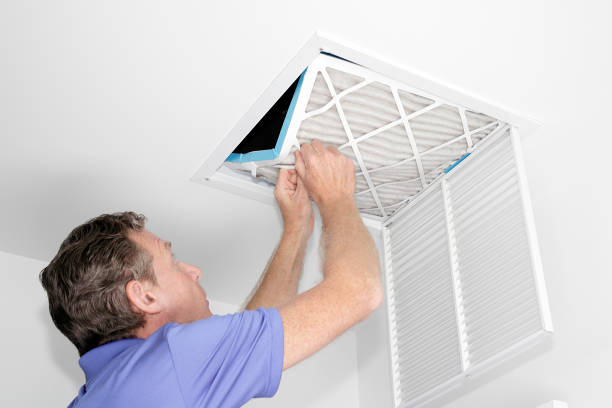
Regular maintenance of your air conditioning system is essential to ensure its efficient and long-lasting operation. Neglecting service schedules can lead to decreased performance, higher energy bills, and unexpected breakdowns. But how often should you actually service your AC system? Let’s break it down.
Expert Tips for Orlando AC Repair Services
- Residential Air Conditioning Systems: It is recommended to schedule a professional tune-up at least once a year, typically in spring before the cooling season begins.
- Commercial HVAC Systems: These systems often run more frequently and may require servicing 2–4 times annually depending on usage and environmental factors.
- Older Units: For systems older than 10 years, consider biannual check-ups to catch potential issues early.
Key Factors That Influence Orlando FL Air Conditioning Repair Frequency
Some circumstances may necessitate more frequent servicing.
- Usage Intensity: If you live in a region with consistently high temperatures or use your AC heavily throughout the year, more frequent servicing may be required.
- Environmental Conditions: Homes in areas with high levels of dust, pollen, or salt (as found near coastal regions) place additional strain on air filters and components.
- Age of the System: Older units tend to require more attention due to wear and tear over time.
- Manufacturer Recommendations: Always refer to your unit’s manual for specific guidelines provided by the manufacturer.
Benefits of Routine AC Servicing
| Benefit | Description |
| Improved Efficiency | Clean filters and coils optimize airflow and cooling power. |
| Lower Energy Costs | An efficient system consumes less energy, reducing bills. |
| Fewer Breakdowns | Early identification of issues prevents costly malfunctions. |
| Extended Lifespan | Consistent care prolongs the overall durability of the unit. |
Tasks Typically Included in Regular Servicing
- Cleaning or replacing air filters.
- Inspecting and cleaning condenser coils.
- Checking refrigerant levels and refilling if necessary.
- Tightening electrical connections.
- Lubricating moving parts such as fans or motors.
- Testing thermostat accuracy.
By addressing these items during routine check-ups, technicians help mitigate any potential issues before they escalate into costly repairs.
DIY Maintenance Between Professional Servicing
- Replace air filters every 30–90 days depending on usage levels.
- Keep outdoor units free from debris such as leaves or grass clippings.
- Check for unusual noises or odors that might indicate underlying problems.
- Ensure vents remain unobstructed by furniture or curtains inside your home.
By combining these proactive measures with regular professional inspections from www.orlandoacservice.net, homeowners can ensure their air conditioning systems operate at peak efficiency year-round while minimizing energy consumption and repair costs over time.
Key Signs That Indicate Your Air Conditioning Unit Needs Servicing Immediately
Proper maintenance of your air conditioning unit is essential for ensuring both comfort and system longevity. However, certain signs can signal that immediate servicing is necessary to prevent costly repairs or permanent damage. Knowing these indicators can save you from unexpected breakdowns, higher energy bills, and an underperforming system.
Weak airflow can result in uneven cooling throughout your home and excessive strain on the AC system.
- Dirty or clogged air filters
- Blocked or leaky ductwork
- Malfunctioning blower motor
Air conditioners are typically designed to operate quietly.
- Common Sounds and Their Implications:
| Sound Type | Possible Issue |
|———————|————————————|
| Grinding Noise | Worn-out bearings in the motor |
| Squealing Sound | Belt misalignment or wear |
| Banging Noise | Loose parts inside the compressor |
When your air conditioner starts blowing warm air instead of cold air, this is a clear indication that something is wrong. Potential causes include refrigerant leaks, thermostat malfunctions, or issues with the compressor.
- Check if the thermostat settings are accurate (cooling mode).
- Inspect for refrigerant leaks (professional service required).
- Schedule an HVAC technician visit to check the compressor’s performance.
A spike in energy costs without any significant changes in usage patterns often suggests that your air conditioning system is not operating efficiently. Poor efficiency can result from dirty coils, aging components, or insufficient maintenance routines.
- Ensure regular cleaning of evaporator and condenser coils.
- Replace clogged filters every one to three months during peak use periods.
Excess moisture around your unit—whether it’s water pooling near the outdoor condenser or visible leaks indoors—should never be ignored.
- Why This Matters: Moisture issues not only impact AC performance but may also lead to mold growth and damage to surrounding areas of your home.
When Should You Act?
Ignoring these indicators can lead to further damage while diminishing comfort within your home.
Regular monitoring combined with professional servicing will help identify small problems before they escalate into major repairs—a practical approach that extends both unit lifespan and reliability over time.
Key Signs That Indicate Your Air Conditioning Unit Needs Servicing Immediately
Maintaining your air conditioning unit is essential to ensuring it operates efficiently and reliably. However, there are times when your AC system may develop issues that require immediate attention. Below are the key signs that indicate your air conditioning unit needs servicing without delay.
Insufficient Cooling or Uneven Temperature Distribution
One of the primary functions of an air conditioning system is to cool your home evenly. If you notice that certain rooms are warmer than others, or the AC isn’t cooling your space as effectively as it once did, this is a sign that something may be wrong.
- A clogged or dirty air filter restricting airflow.
- Low refrigerant levels caused by leaks.
- Blocked ductwork or vents.
Addressing these issues promptly can prevent further damage and ensure consistent comfort in your home.
Unusual Noises
Air conditioners typically operate quietly, with minimal noise during normal functioning. If you hear unusual sounds such as grinding, squealing, banging, or rattling, it’s a strong indication of mechanical problems within the system.
- Loose parts within the unit.
- Worn-out motor bearings.
- A malfunctioning fan blade.
Ignoring these noises can lead to costlier repairs down the line.
Higher Energy Bills Without Increased Usage
An unexpected spike in energy bills without a corresponding increase in usage often points to an inefficient air conditioning system.
- An aging and worn-out system struggling to operate efficiently.
- Dirty coils preventing heat transfer.
- Malfunctioning components forcing the system to overwork.
Scheduling prompt maintenance can help identify and fix these issues while restoring energy efficiency.
Frequent Cycling On and Off
If your AC is constantly turning on and off in short cycles (a process known as short cycling), it’s a clear warning sign of trouble.
- A thermostat issue causing improper temperature readings.
- An oversized AC unit not suited for your home’s cooling needs.
- Refrigerant problems affecting proper operation.
Short cycling not only reduces comfort but also places extra strain on your system, leading to premature wear and tear.
Water Leaks or Excess Moisture Around the Unit
Your AC is designed to remove humidity from indoor air, but visible water leaks or excess moisture around the unit indicate a problem.
| Sign | Possible Causes | Immediate Action Needed? |
| Insufficient cooling | Dirty filters, refrigerant leaks | Yes |
| Strange noises | Loose parts, motor issues | Yes |
| Rising energy bills | Dirty coils, aging components | Yes |
| Frequent cycling | Thermostat problems, improper sizing | Yes |
| Water leaks | Clogged drain lines, frozen evaporator coils | Yes |
Being proactive about these warning signs will help keep repair costs under control while maintaining optimal comfort levels at home. Professional service ensures long-term functionality and helps safeguard against unexpected breakdowns during peak seasons.
What Homeowners Can Do to Keep Their Air Conditioning System Running Smoothly Between Visits
Proper maintenance and small, proactive measures can help homeowners ensure their air conditioning system operates efficiently between professional service visits. These steps not only maintain comfort but also reduce the risk of costly repairs or replacement. Below are some practical ways you can take care of your AC system at home.
Regularly Clean or Replace Air Filters
Dirty air filters significantly reduce an air conditioner’s efficiency, forcing it to work harder and consume more energy.
– Inspect air filters every 30 days.
– Replace them every 1-3 months depending on usage, filter type, and environmental conditions like pet dander or dust levels.
Using high-quality filters with proper ratings (e. g.
Keep the Outdoor Unit Clear of Debris
The outdoor condenser unit plays a vital role in heat exchange. Its performance can deteriorate if debris like leaves, dirt, or grass clippings obstructs airflow.
– Ensure at least two feet of clearance around the outdoor unit.
– Regularly remove debris from the surrounding area and trim any overgrown vegetation nearby.
– Use a gentle hose spray to clean the fins occasionally, avoiding high-pressure water that could damage components.
Adjust Thermostat Settings Wisely
Optimizing thermostat settings prevents unnecessary strain on your AC system while maintaining indoor comfort:
1. Set your thermostat to a comfortable yet energy-efficient temperature (typically 78°F in summer when you’re home).
2. Use programmable or smart thermostats to automate temperature adjustments based on schedules.
Smart thermostats also provide insights into energy usage patterns, helping homeowners make informed decisions about cooling their homes effectively.
Inspect and Seal Ductwork for Leaks
Leaky ducts can lead to significant energy wastage as cooled air escapes before reaching rooms:
– Periodically check accessible ductwork for visible gaps or holes. – Consider using foil tape or mastic sealant for minor repairs. – For extensive duct issues, consult a professional technician.
Schedule Routine DIY Maintenance Tasks
While professional servicing is essential for thorough inspections, there are minor tasks homeowners can perform periodically: 1. Inspect drain pans and ensure condensate lines are clear of blockages to avoid water damage or mold growth. 2. Tighten loose screws on panels or vents. 3. Check for unusual noises during operation, which may signal early problems requiring attention.
| Task | Frequency | Tools Required |
| Filter cleaning/replacement | Every 1-3 months | Replacement filter |
| Outdoor unit cleaning | Monthly during use | Garden hose |
| Thermostat battery check | Annually | Batteries |
| Condensate line check | Quarterly | Wet/dry vacuum (optional) |
Benefits of Consistent Maintenance Efforts
By adopting these measures:
1. Energy efficiency improves as the system operates under optimal conditions. 2. The likelihood of breakdowns decreases due to reduced strain on components. 3. The lifespan of your AC is extended by minimizing wear and tear over time.
The Importance of Professional Air Conditioning Replacement for Long-Term Efficiency
When your air conditioning system is no longer functioning efficiently or has reached the end of its lifespan, professional AC replacement becomes essential to maintain long-term performance and energy efficiency. Relying on experts for this process ensures that your new system is installed correctly and tailored to meet the specific needs of your home. Below, we delve into why professional air conditioning replacement is so critical and how it benefits homeowners.
Why Professional AC Replacement Matters
Replacing an air conditioner involves more than simply swapping out an old unit for a new one. Proper installation directly impacts the efficiency, durability, and overall performance of your HVAC system.
- Proper Sizing: A professional technician evaluates factors like square footage, insulation levels, window placements, and local climate when recommending the right-sized AC unit for your home. An improperly sized system can lead to inefficiency—an oversized unit may short cycle while an undersized one will struggle to cool effectively.
- Energy Efficiency Compliance: Professionals ensure that the replacement unit meets energy efficiency standards such as SEER (Seasonal Energy Efficiency Ratio) ratings. Higher SEER ratings translate to greater energy savings over time.
- Optimized Ductwork: During a replacement, technicians inspect ductwork for compatibility or leaks that could compromise airflow. They may seal or modify ducts to enhance cooling distribution throughout the home.
- Warranty Protection: Most manufacturers require professional installation for warranties to remain valid. DIY installation or hiring unqualified personnel might void warranty coverage on your new equipment.
Signs It’s Time for AC Replacement
While regular maintenance can extend the life of an air conditioner, there comes a point when replacing the unit is more cost-effective than repair work.
- Frequent Repairs: If repair costs are approaching or exceeding 50% of what a new system would cost, it’s better to invest in a replacement.
- Age of Unit: Most air conditioners last between 10–15 years with proper care; systems nearing this age may lose efficiency even with regular maintenance.
- Increasing Energy Bills: A sudden spike in cooling costs often signals that your AC is struggling to perform efficiently.
- Inconsistent Cooling: Uneven temperatures from room to room despite thermostat adjustments may indicate underlying issues best resolved by replacing the system.
Benefits of Professional Replacement
| Benefit | Description |
| Enhanced Energy Efficiency | Modern systems use advanced technology that reduces power consumption significantly compared to older units. |
| Improved Indoor Comfort | Newer models often include features like variable speed compressors and smart thermostats for precise temperature control. |
| Reduced Environmental Impact | High-efficiency units produce fewer greenhouse gas emissions while cutting down on energy waste. |
| Long-Term Reliability | Professionally installed systems are less prone to malfunctions, minimizing future repair needs. |
Steps in a Professional Replacement Process
- Home Assessment:Technicians assess cooling needs based on square footage, climate zone, insulation levels, and other factors.
- Old Unit Removal:The existing system is carefully dismantled without damaging surrounding components like ductwork or wiring.
- New System Installation:The selected unit is installed following manufacturer guidelines while ensuring secure electrical connections and refrigerant lines.
- Testing & Calibration:Technicians test airflow rates, check refrigerant levels, and calibrate thermostats for optimal functioning.
- Post-Installation Guidance:Homeowners receive instructions on operating their new system efficiently along with recommended maintenance schedules.
Investing in expert air conditioning replacement not only enhances home comfort but also delivers significant long-term savings through reduced utility bills and fewer repair expenses over time—a decision every homeowner benefits from making wisely.
What Does a Comprehensive Professional HVAC Service Include for Your AC System
When it comes to maintaining an air conditioning (AC) system, a professional HVAC service plays a critical role in ensuring efficient performance, energy savings, and longevity. Understanding what a comprehensive service covers helps homeowners know what to expect and why scheduling regular maintenance is essential.
Inspection and Diagnostics
A core component of any professional HVAC service is the thorough inspection of your AC system.
- Checking refrigerant levels and inspecting for leaks.
- Examining electrical connections for safety and functionality.
- Inspecting thermostat calibration to ensure accurate temperature control.
- Verifying system airflow and ductwork integrity.
Diagnostics often include the use of specialized tools to identify inefficiencies or potential issues that may not be immediately apparent.
Cleaning Components for Optimal Efficiency
Dust, dirt, and debris can significantly reduce the efficiency of your AC system.
- Evaporator Coils and Condenser Coils: These coils are cleaned to improve heat exchange efficiency.
- Blower Components: Fans and motors are cleaned to eliminate debris accumulation that could hinder performance.
A clean system operates more smoothly, delivering optimal cooling without overworking its parts.
System Testing
After cleaning and inspections, professionals test your AC unit for proper operation.
- Verifying proper cycling on/off based on thermostat settings.
- Measuring refrigerant pressures to ensure they meet manufacturer specifications.
- Testing airflow volume at various points in the system.
Technicians may also assess noise levels during operation to detect any unusual sounds that could indicate underlying problems.
Lubricating Moving Parts
Lubrication is another important aspect of comprehensive servicing. The HVAC technician ensures that all moving components like motors, belts, pulleys, and bearings are adequately lubricated. Proper lubrication reduces friction between parts, extending their lifespan while preventing wear-and-tear over time.
Addressing Minor Repairs Proactively
- Tightening loose screws or electrical connections.
- Replacing worn-out belts or seals.
- Sealing minor ductwork leaks.
This proactive approach saves homeowners from costly emergency repairs down the road.
| Service Component | Purpose |
| Refrigerant Check | Ensures efficient cooling performance |
| Air Filter Replacement | Improves air quality & airflow |
| Electrical Connection Inspection | Enhances safety & prevents malfunctions |
| Coil Cleaning | Boosts energy efficiency |
Benefits of Comprehensive HVAC Servicing
A well-maintained AC unit operates more efficiently, consumes less energy, and has an extended lifespan compared to neglected systems.
Regular servicing reduces breakdown frequency by identifying potential issues early on while keeping energy bills under control due to enhanced operational efficiency.
By scheduling yearly or biannual services with certified professionals, homeowners can enjoy consistent comfort while safeguarding their investment in their cooling systems for years ahead.
How Choosing the Right HVAC Company Orlando, FL Saves You Money Over Time
Investing in professional air conditioning services may seem like an upfront cost, but it is a smart financial decision that can save you significant money over time.
Lower Energy Bills Through Improved Efficiency
An inefficient air conditioning unit consumes more energy to maintain the desired indoor temperature. Professional AC services, such as cleaning coils, replacing air filters, and checking refrigerant levels, ensure that your system operates optimally.
- Lower monthly energy billsdue to reduced energy consumption.
- Environmental benefits through decreased energy waste.
Reduced Repair Costs
- Unexpected breakdownsduring peak summer months.
- Expensive part replacements or emergency service calls.
For instance, replacing a worn-out capacitor during a routine inspection is far less costly than dealing with a completely failed compressor later on.
| Component | Average Cost of Proactive Repair | Cost If Left Unchecked |
| Dirty Evaporator Coils | $100–$400 | $1,000+ (if leads to failure) |
| Refrigerant Refill | $150–$300 | $1,500+ (if compressor fails) |
| Clogged Filter | $10–$25 | Increased utility bills & strain on motor |
Extended Equipment Lifespan
Air conditioners that are serviced regularly by professionals tend to last several years longer than neglected systems. While a well-maintained AC can last 12–15 years or more, ignoring maintenance may shorten its lifespan by 3–5 years or more.
- You maximize the return on your original investment.
Professional servicing includes tasks such as filter replacement and duct cleaning that help maintain clean airflow throughout the home. This reduces potential healthcare costs associated with poor air quality.
Final Thoughts
Professional air conditioning services are not just an expense—they are an investment in long-term savings and comfort. By ensuring optimal performance through regular tune-ups and addressing small issues before they grow into major problems, you save money on energy bills, repairs, and equipment replacement while enjoying a comfortable living environment year-round.
Why Investing in Professional Air Conditioning Services Saves You Money Over Time
Investing in professional air conditioning (AC) services may seem like an unnecessary expense at first glance, but it is one of the most cost-effective decisions a homeowner can make. A professional approach not only ensures the longevity of your AC system but also optimizes its efficiency, leading to long-term savings.
Reduced Energy Bills
An air conditioning system that operates efficiently uses less energy to cool your home. Professional technicians clean and service essential components such as filters, coils, and fins to ensure your unit runs at peak performance.
– Your air conditioner doesn’t have to work harder than necessary.
– Reduced energy consumption leads to significantly lower electricity bills over time.
For example, a dirty or clogged filter can increase energy usage by 5–15%, which adds up quickly over months and years.
Prevention of Costly Repairs
Small issues like a loose belt or minor refrigerant leak can escalate into major problems if left unattended. Routine professional inspections allow for early detection of these issues before they lead to costly repairs or complete system breakdowns.
| Service Type | Estimated Cost |
| Regular Tune-Up | $75–$200 per visit |
| Replacing a Compressor | $1,200–$2,800 |
| Full System Replacement | $5,000–$10,000 |
By scheduling maintenance visits annually or biannually, you can save thousands of dollars on unexpected repairs and replacements.
Extended Lifespan of Your System
The average lifespan of an air conditioning unit is 10–15 years; however, systems that receive regular professional care often last several years longer than neglected units.
– Lubricate moving parts to reduce friction and wear.
– Monitor refrigerant levels to prevent stress on the compressor.
– Inspect electrical components to prevent potential malfunctions.
This proactive care minimizes wear and tear, helping you avoid premature replacement costs.
Professional AC services include cleaning filters and ducts that accumulate dust, allergens, and contaminants over time.
Increased Home Value
If you plan on selling your home in the future, having an efficiently running AC system maintained by professionals adds value for potential buyers. A well-documented service history demonstrates care for the property and reduces concerns about hidden repair costs.
Investing in professional air conditioning services is more than just preventative maintenance; it’s a strategic move toward long-term savings and comfort at home.
- How Often Should You Schedule Orlando AC Service for Optimal Performance
- Comprehensive Guide to Orlando AC Service and Repair Costs
- Common Air Conditioning Repairs and How an HVAC Company Orlando, FL Can Help
- How Orlando AC Repair Can Prevent Costly Breakdowns and Improve Reliability
- Understanding the Value of Professional Orlando AC Repair Services
- Top Signs Your Air Conditioning Unit Needs Emergency Replacement from an Orlando AC Service
- Effective Solutions for Orlando AC Repair: Recognizing Common Issues
- Identifying When Your Orlando AC Service is Needed for a Replacement